







Search Results for: Coffee Bean Processing Methods: Natural
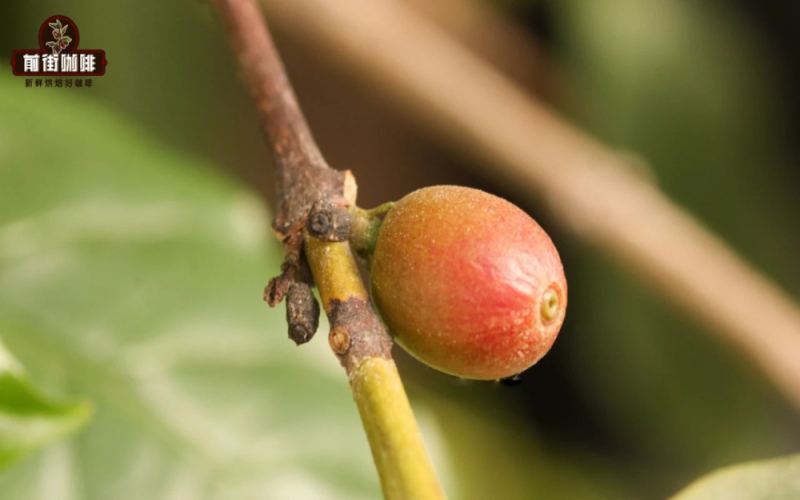
How Coffee Bean Processing Methods Shape Flavor Differences: A Comprehensive Comparison of Washed and Natural Processing
Are coffee beans actually the fruit of the coffee tree? Can they be roasted directly after picking? These questions puzzle many people who are just getting into coffee. In fact, coffee beans are the seeds of the coffee fruit, and they need to go through a series of green bean processing methods to reveal different flavors. Washed and natural, as two mainstream processing methods, show significant differences in workflow, drying time, appearance characteristics, and final cupping performance. Through extensive cupping, Front Street Coffee has found that washed coffee has bright acidity and high cleanliness, while natural coffee has more complex berry notes and higher sweetness. This article will systematically explain the principles and flavor characteristics of these two processing methods to help coffee lovers gain a deeper understanding of the decisive influence of processing methods on coffee flavor. [more…]

How to Identify Coffee Bean Processing Methods? A Full Analysis of Flavors and Bean Appearance for Natural, Washed, Honey, and Wet-Hulled Processes
Faced with a dazzling array of coffee beans, how can you tell from their appearance and flavor which processing method they have undergone? Drawing on the practical experience of Front Street Coffee, this article teaches you to observe bean surface features such as remaining silver skin, the white line in the bean cleft, color, and sugar glazing, so you can quickly distinguish common processing methods like natural, washed, honey, and wet-hulled. At the same time, using examples from producing regions such as Yirgacheffe, it compares the flavor differences between natural and washed processing in terms of sweetness, complexity, and cleanliness, and extends to the craft logic of anaerobic processing and barrel fermentation, helping you understand more systematically how processing methods shape coffee flavor. [more…]

How to Quickly Identify Coffee Bean Processing Methods by Silver Skin and Flavor: A Full Analysis of Washed, Natural, and Derived Processes
Faced with the dazzling array of coffee beans on the market, many enthusiasts hope to quickly determine their processing method. In fact, by mastering just two core techniques—observing the remnants of silver skin and tasting the flavor—you can broadly distinguish between washed, natural, and derived processes such as honey processing and wet-hulled. Drawing on the practical experience of Front Street Coffee, this article systematically organizes the bean appearance characteristics of globally common processing methods and regional processing methods, and through cupping comparisons of producing regions such as Yirgacheffe, helps you build clear identification logic and understand the flavor differences behind processes such as anaerobic fermentation. [more…]
How can you tell coffee bean processing methods apart? Start with silver skin residue and cupping flavors to quickly distinguish natural, washed, honey, and wet-hulled methods
Many coffee enthusiasts hope to determine a coffee bean's processing method simply by observation or tasting, and there is actually a method to this. Drawing on Front Street's practical experience, this article systematically sorts out the classification logic of common processing methods: the globally universal washed and natural methods, as well as the region-specific Indonesian wet-hulled method and Central and South American honey process. The article focuses on how to quickly distinguish processing methods by observing the remaining silver skin on roasted beans, the white line in the bean crease, and the degree of caramelized sugar staining, while also using examples from producing regions such as Yirgacheffe to explain the differences between natural and washed coffees in flavor layering, sweetness, and cleanliness, and extending to the flavor logic of anaerobic processing, helping you build a practical framework for discernment. [more…]

What's the difference between natural and washed coffee? A guide from processing steps to flavor characteristics to help you quickly identify coffee bean processing methods
Coffee beans from the same origin can present completely different flavor profiles simply because of different processing methods. Natural and washed, as the two most classic processing methods, each give coffee beans a unique imprint of character. Starting from real tasting scenarios at Front Street stores, this article introduces the complete processes of the two processing methods, and uses Ethiopia Yirgacheffe Natural Red Cherry and Washed Kochere as comparative samples to experience the flavor differences under the same brewing parameters, thereby understanding the principles behind the differences. Once you master this method, you will also be able to quickly identify a bean's processing method the next time a cup of coffee touches your lips, truly advancing to become a coffee tasting expert. [more…]
Wet-Hulled, Semi-Washed, Pulped Natural, and Honey Process: A Complete Analysis of the Flavor Differences Among Four Coffee Processing Methods
Following our previous discussion of the two major processing methods—natural and washed—this time we turn our attention to several post-harvest processes that fall between them: wet-hulled, semi-washed, pulped natural, and honey processing. How is each of these methods carried out? And what impact do they have on coffee flavor? We'll still start with the structure of the coffee cherry: from the outside in, the fruit consists of the outer skin, pulp, mucilage, parchment layer, silver skin, and the coffee bean seed itself. The core goal of all processing methods is simply to remove the outer layers and extract the seed. However, differences in the method, timing, and degree of removal lead to vastly different results in the cup. This article will break down these processing methods one by one—their procedural details, flavor tendencies, and the subtle connections between them—to help coffee enthusiasts more clearly understand the key role processing plays in shaping flavor. [more…]
A Complete Guide to Coffee Processing Methods: The Differences Between Natural, Washed, Semi-Washed, and Semi-Natural and Their Impact on Flavor
The flavor of coffee not only originates from the altitude and climate of its producing region; the processing method also plays a key role. Based on the practical experience of Front Street Coffee, this article systematically reviews the procedures, advantages and disadvantages, and flavor impacts of four processing methods: natural, washed, semi-washed, and semi-natural. The washed method brings a clean and bright taste but is somewhat thin, while the natural method imparts a richer body and sweetness; semi-washed and semi-natural are actually the same type of pulp natural method, widely used in water-scarce regions such as Brazil. The article also uses Front Street washed Yirgacheffe, natural Red Cherry, and Brazil Queen Estate as examples to specifically explain the performance of different processing methods in the cup, and includes brewing suggestions, making it suitable for coffee enthusiasts to gain a deeper understanding. [more…]
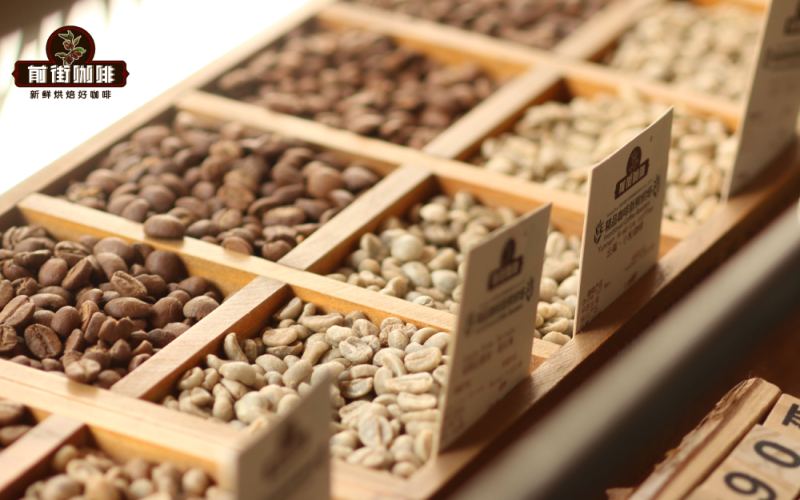
Coffee Processing Methods | Wet-Hulled, Semi-Washed, Honey Process, Pulped Natural — Detailed Steps, Flavor and Mouthfeel Comparison of Coffee Beans
We all know that different processing methods can give coffee a rich and varied flavor profile. For example, Front Street Coffee's bean list alone features dozens of varieties, covering more than ten different processing methods. Today, Front Street will focus specifically on wet-hulled, semi-washed, and pulped natural [more…]
Beginner's Guide to Choosing Coffee Beans: Flavor Differences Between Natural and Washed Processing Methods and Key Brewing Points
Many friends who are just getting into single-origin coffee are amazed by the rich layers of flavor in the cup—some taste the refreshing quality of lemon tea, while others taste the sweetness of strawberry juice. Besides variety, origin, and climate, the processing method also plays a decisive role in the flavor a bean ultimately presents. From the perspective of Front Street, this article systematically explains the principles, steps, and flavor characteristics of the two basic processing methods, natural and washed, helping beginners distinguish the differences between green bean appearance and roasted bean differences, and gives brewing parameter suggestions for each of the two processing methods. The article also includes specific product recommendations such as Front Street Red Cherry, Front Street Blue Mountain No. 1, and Front Street Fruit Ding Ding, making it convenient for beginners to purchase as needed. [more…]

How to Choose Between Natural, Washed, and Honey Processing? A Complete Analysis of Coffee Bean Processing Steps, Flavor Differences, and Historical Origins
The same coffee cherry, processed in different ways, can end up tasting completely different in the cup. Natural processing often brings out more pronounced fermented sweetness and greater complexity, while washed processing usually delivers a cleaner cup and brighter acidity. Methods adapted to local conditions, such as honey processing and wet hulling, also play their own roles in different origins. How are these processing methods carried out step by step? Why do they have such a big impact on flavor? From the structure of the coffee cherry, to the fine details of natural and washed processing, and on to the history and standardization considerations behind the birth of these methods, this article will systematically sort through the steps, flavor differences, and origins of processing methods such as natural, washed, and honey processing, while weaving in the flavor characteristics of several representative Front Street Coffee beans, to help you understand more clearly the relationship between processing methods and coffee flavor. [more…]
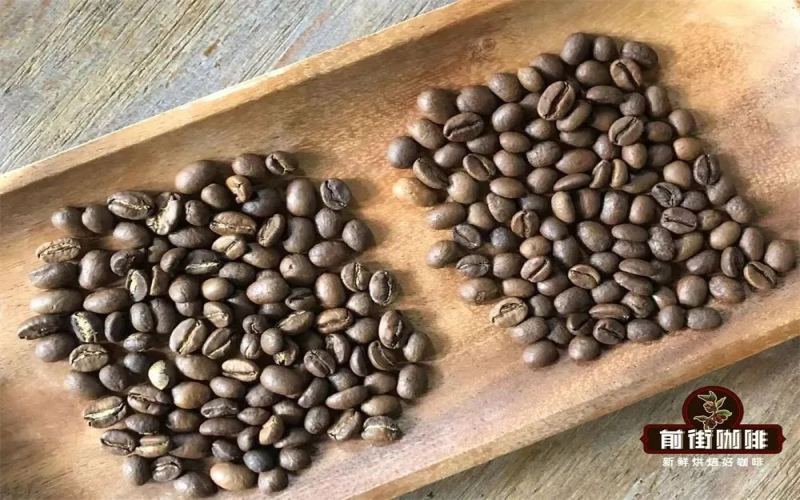
A Complete Guide to Natural and Washed Coffee Processing: Step-by-Step Procedures, Flavor Differences, and Green vs. Roasted Bean Comparison
When buying coffee beans, the packaging often indicates processing methods such as natural, washed, and honey. What exactly is the difference between natural and washed? Front Street Coffee takes you through the structure of the coffee fruit to explain in detail the specific steps, advantages and disadvantages, and flavor characteristics of the two processing methods. It also uses two Yirgacheffe coffees—Front Street Natural Red Cherry and Washed Gudingding—to compare the silver skin differences between green beans and roasted beans, and to analyze the fermented sweetness of natural beans and the bright cleanliness of washed beans. Only by understanding processing methods can you better choose the flavor you love. [more…]
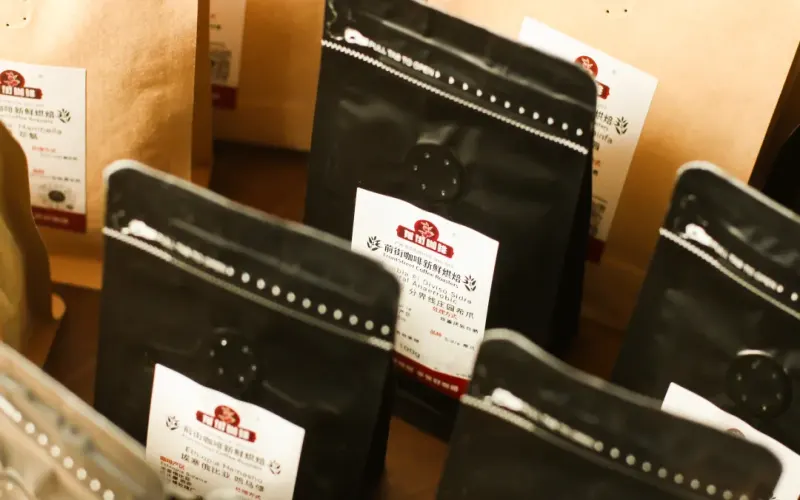
A Complete Guide to Coffee Processing Methods: The Craft Differences and Flavor Comparison of Washed, Natural, and Honey Processing
Coffee bean processing is not simply washing, drying, or adding honey, but a set of refined procedures designed to remove the skin, pulp, and mucilage of the berry while preserving the quality of the coffee bean as much as possible so that it can be stored long term. Washed, natural, and honey processing, as the three mainstream methods, show significant differences in steps, green bean appearance, roasted bean characteristics, and final cupping flavor. This article will systematically sort out the specific operations of these three processing methods, teach you how to distinguish them by green bean color, roasted bean center line, and flavor performance, and include a selected bean list recommendation from Front Street brand to help you find the cup you like. [more…]

Rose Valley Flower Moonlight Coffee Beans Pour-Over Guide: A Complete Analysis of Anaerobic Enzyme Washed and Natural Processing Methods
Coffee enthusiasts' taste demands are becoming increasingly refined. The original terroir flavors produced by traditional washed and natural processing methods can no longer satisfy diverse expectations, and various specialty processing methods have emerged as a result. From the perspective of Front Street, this article systematically reviews the principles and classifications of anaerobic fermentation processing, compares the differences between natural fermentation and temperature-controlled fermentation, and provides an in-depth analysis of three processing workflows: anaerobic natural, anaerobic washed, and anaerobic enzyme-washed. At the same time, using Front Street Huayueye coffee beans from the Huila region of Colombia and Rose Valley coffee beans from Big Tree Estate as examples, it presents a complete approach from green bean processing to roasting curve selection, and then to pour-over parameter development, helping readers understand how specialty processing methods shape the flavors in the cup. [more…]
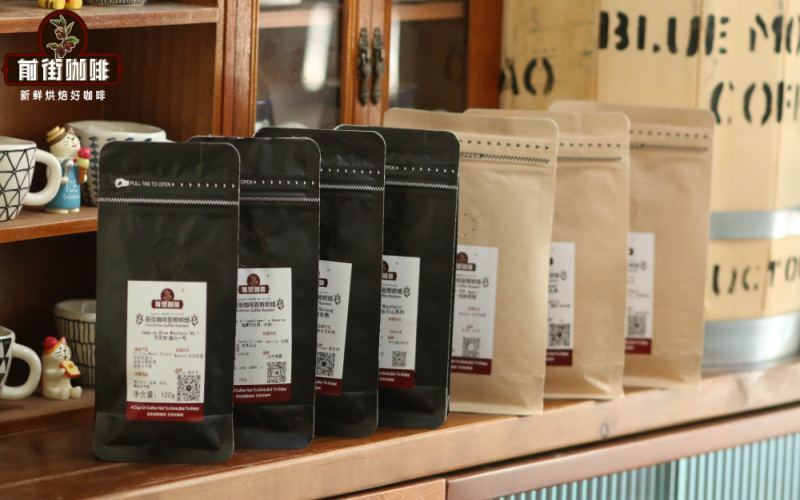
Blue Mountain Natural and Hacienda La Esmeralda Blue Label Geisha: How Two Processing Methods Reshape Classic Coffee Flavors
When Jamaica Blue Mountain first attempted natural processing, while Panama's Hacienda La Esmeralda extended the natural method to its Blue Label Geisha, an interesting intersection in processing methods emerged between two coffees representing Old World and New World styles. Front Street Coffee conducts a side-by-side comparison of washed and natural versions, systematically examining from green bean appearance, roasting curves, to cupping flavors how processing methods affect coffee's sweetness, aroma, and cleanliness, helping enthusiasts understand the essential differences and respective advantages of washed and natural processing. [more…]
An In-Depth Analysis of Semeon Abay's Special Anaerobic Processing Method: From Fermentation Technique to Flavor Expression
Coffee bean processing methods are becoming increasingly diverse, and among them the Semeon Abay processing method has attracted the attention of many enthusiasts with its unique fermentation logic and personal character. From the perspective of Front Street Coffee, this article systematically sorts out the origin story and operational process of this special processing method, while also comparing the advantages, disadvantages, and flavor differences of the three traditional methods—washed, natural, and honey—to help readers more clearly understand the impact of different processing methods on coffee taste and provide a reference basis for everyday purchasing decisions. [more…]

A Complete Guide to Anaerobic Natural and Anaerobic Washed Processing Methods: Step-by-Step Procedures, Flavor and Mouthfeel Differences, and Front Street Coffee Bean Recommendations
As coffee enthusiasts deepen their understanding of coffee, more and more people are paying attention to coffee bean processing methods. As a post-harvest processing method that has attracted much attention in recent years, anaerobic fermentation has brought more possibilities to coffee flavors. This article will analyze in detail the step-by-step processes and flavor and taste differences between anaerobic natural and anaerobic washed processing methods, and share Front Street Coffee's cupping and brewing experience. By comparing the characteristics of washed, natural, and anaerobic processing, it helps readers understand how different processing methods affect the final flavor of coffee. The two anaerobic natural beans, Huayueye and Monster Manor, launched by Front Street Coffee, will also be used as examples to demonstrate their unique charm. Whether you are a beginner or a seasoned enthusiast, you can gain practical references for purchasing and tasting. [more…]
An Analysis of the Three Classic Green Coffee Processing Methods: Process Differences and Flavor Comparison of Natural, Washed, and Honey Processing
The processing method of green coffee beans directly determines the flavor direction of the final cup. Although the modern coffee industry keeps producing all kinds of novel specialty processing techniques, the three traditional methods of natural, washed, and honey processing remain the cornerstones of the specialty coffee world. In addition, a uniquely regional wet-hulled method is also widely used in Indonesia. This article will systematically sort out the specific operating procedures, quality characteristics, and flavor differences of these processing methods, and will also introduce the semi-washed method derived from natural processing and the natural washed method within the washed system. The article will also combine several representative coffee beans from the Front Street Coffee brand to help readers more intuitively understand how different processing methods perform in actual flavor. [more…]

Natural, Washed, Semi-Natural, and Honey Processing: A Full Analysis of the Process Differences and Flavors of Four Coffee Bean Processing Methods
In today's increasingly thriving specialty coffee scene, roaster and cupper have gradually become popular professions, and many coffee professionals and enthusiasts also see roasting as a direction for entrepreneurship. The final flavor of a coffee bean is influenced by numerous factors—variety, processing method, regional terroir, and even the type of shade tree—making the variables many and difficult to clarify one by one. Nevertheless, each factor still has its own discernible patterns and characteristics, among which the processing method is particularly critical in shaping flavor direction. This article will take the four mainstream processing methods—natural, washed, semi-washed, and honey—as its framework, systematically sorting out each one's technical principles, key operational points, flavor characteristics, and representative coffee beans, to help readers build a systematic understanding of coffee processing methods. [more…]
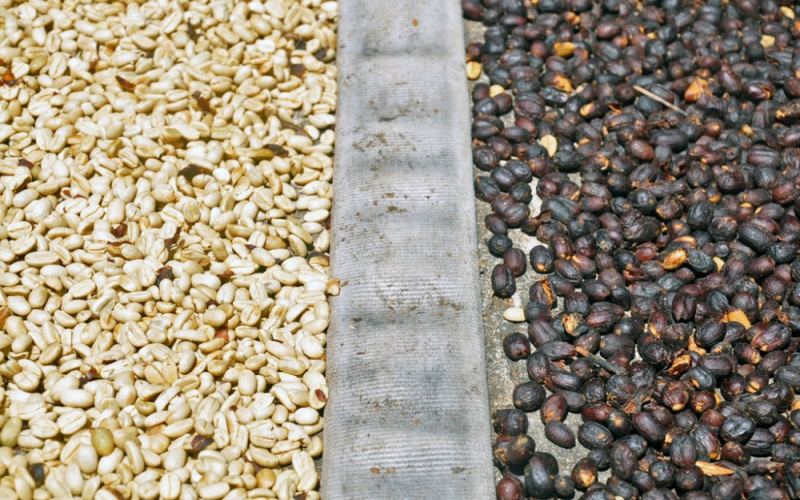
A Complete Guide to Coffee Fruit Processing: From Natural and Washed to Anaerobic Fermentation — The Main Processing Methods
The flavor of a cup of coffee depends not only on the terroir and variety of its origin, but also on how the green beans are processed—an equally critical variable. Coffee beans from the same growing region can present entirely different profiles—clean and refreshing, or rich and sweet—simply because of a different processing method. This article systematically reviews common processing techniques such as natural, washed, honey, wet-hulled, and anaerobic fermentation, and, in conjunction with the beans offered by Front Street Coffee, explains the procedural characteristics and flavor tendencies of each method, helping coffee lovers understand how processing shapes the flavor in the cup. [more…]
A Complete Guide to Coffee Bean Processing Methods: Flavor Differences from Natural and Washed to Wet-Hulled, Honey, and Anaerobic Fermentation
Where exactly does the flavor of a cup of coffee come from? Beyond the climate of the origin and the variety, the processing method of the coffee beans is also a key variable that shapes the flavor in the cup. From the most common natural and washed processes, to Costa Rica's distinctive honey process, Indonesia's unique wet-hulled method, and the anaerobic fermentation that has been favored in competitions in recent years, each technique quietly reshapes the sweetness, acidity, and body of the coffee. This article will use specific beans such as Yirgacheffe, Mandheling, and the Costa Rica Musician Series as examples to outline the process flow and flavor direction of mainstream processing methods, helping coffee lovers understand the taste differences brought by different processing methods from the same origin, and also explaining the risks and limitations of each processing method. [more…]